Mold Restoration in Essex County, NJ
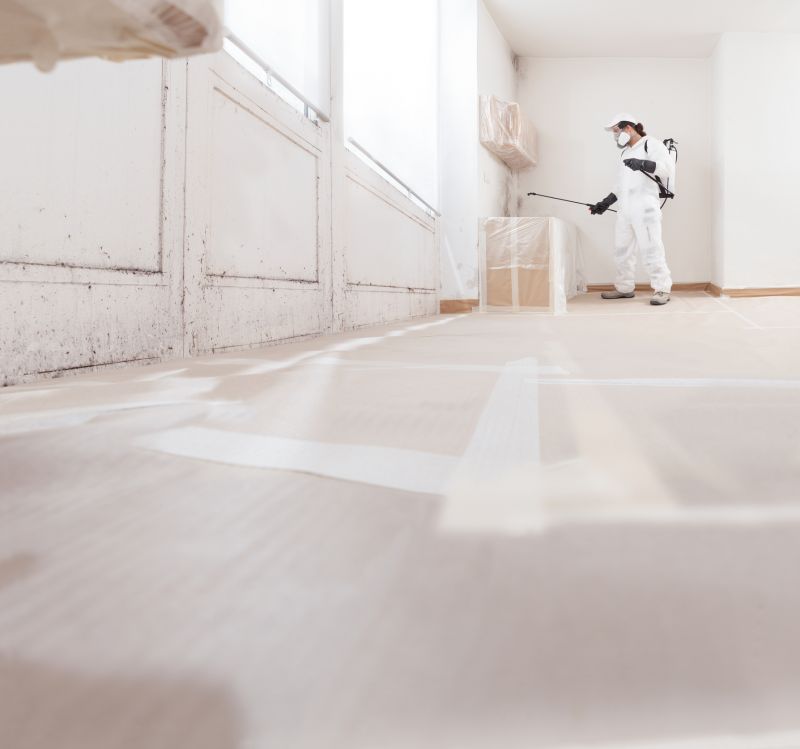
Mold restoration services involve identifying and removing mold growth from residential properties to improve indoor air quality and prevent structural damage. These projects typically include assessing affected areas, containing mold to prevent cross-contamination, and thoroughly cleaning or removing materials like drywall, insulation, and flooring that have been compromised. Homeowners often seek mold restoration after discovering visible mold, experiencing musty odors, or noticing health symptoms related to mold exposure, especially in areas with high humidity or water damage. Understanding the extent of mold growth and the types of materials affected can help property owners make informed decisions about the scope of restoration needed.
Before requesting mold restoration, property owners should consider whether the mold growth is localized or widespread, and whether there has been recent water intrusion or leaks. It’s important to evaluate if visible mold is accompanied by persistent odors or health issues among residents. Additionally, understanding the potential for hidden mold behind walls or under flooring can influence the scope of inspection and remediation. Proper assessment and planning are essential to ensure that all affected areas are addressed effectively, helping to restore a safe and healthy living environment.
Many property owners in Essex County, NJ look into Mold Restoration for repairs, replacements, upgrades, and appearance-related improvements.
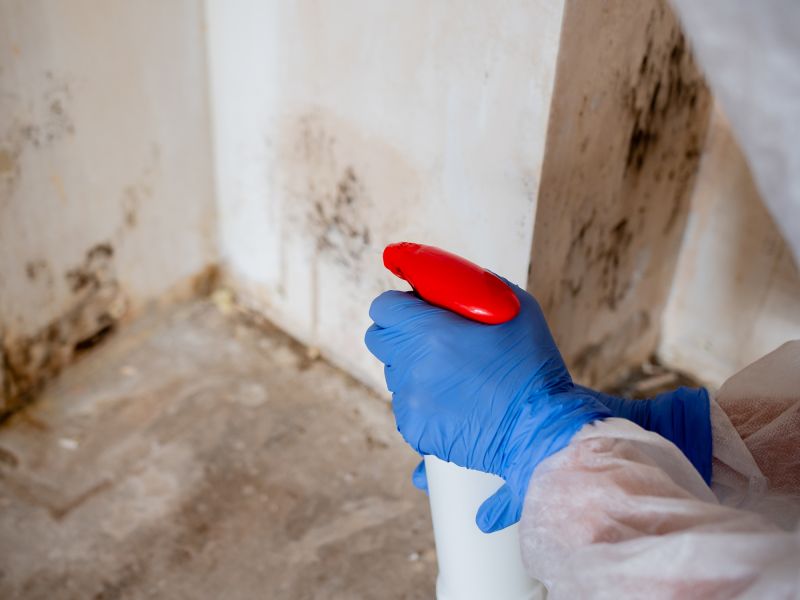
Mold Restoration Services
Examples of mold restoration work property owners may explore in essex county, nj.
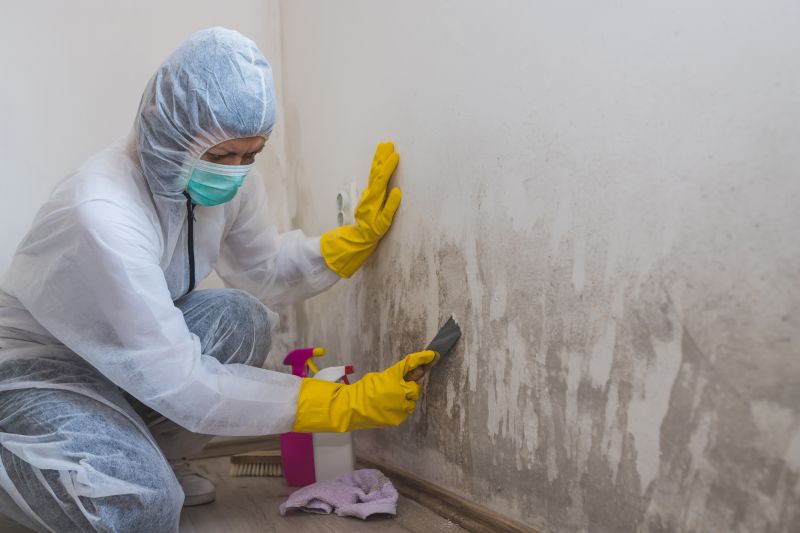
Mold Restoration Updates
Common ways people refresh, improve, or restore mold restoration features in essex county, nj.
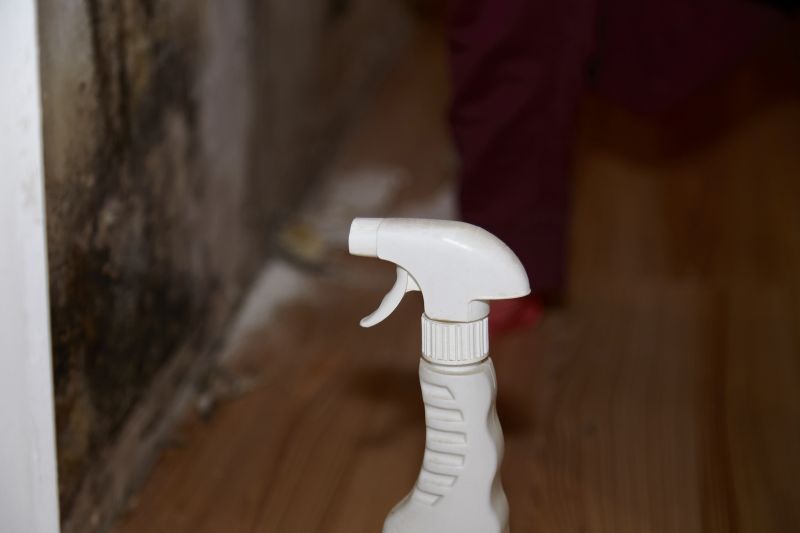
Mold Restoration Options
Different styles, layouts, and finishes people consider for mold restoration in essex county, nj.
Mold Restoration in Essex County, NJ
Mold restoration services involve identifying and removing mold growth from residential properties to improve indoor air quality and prevent structural damage. These projects typically include assessing affected areas, containing mold to prevent cross-contamination, and thoroughly cleaning or removing materials like drywall, insulation, and flooring that have been compromised. Homeowners often seek mold restoration after discovering visible mold, experiencing musty odors, or noticing health symptoms related to mold exposure, especially in areas with high humidity or water damage. Understanding the extent of mold growth and the types of materials affected can help property owners make informed decisions about the scope of restoration needed.
Before requesting mold restoration, property owners should consider whether the mold growth is localized or widespread, and whether there has been recent water intrusion or leaks. It’s important to evaluate if visible mold is accompanied by persistent odors or health issues among residents. Additionally, understanding the potential for hidden mold behind walls or under flooring can influence the scope of inspection and remediation. Proper assessment and planning are essential to ensure that all affected areas are addressed effectively, helping to restore a safe and healthy living environment.
Many property owners in Essex County, NJ look into Mold Restoration for repairs, replacements, upgrades, and appearance-related improvements.
Common Mold Restoration Jobs
Mold Remediation - removal of mold growth from affected areas to improve indoor air quality.
Water Damage Restoration - addressing moisture issues that can lead to mold development in homes.
Attic and Basement Mold Cleaning - treating hidden mold in often overlooked spaces prone to moisture buildup.
Surface Mold Removal - cleaning mold from walls, ceilings, and other surfaces to prevent spread.
HVAC Mold Treatment - ensuring duct systems are free of mold to maintain healthy airflow.
Post-Remediation Testing - verifying that mold levels are safe after cleanup efforts.
Mold Restoration Questions
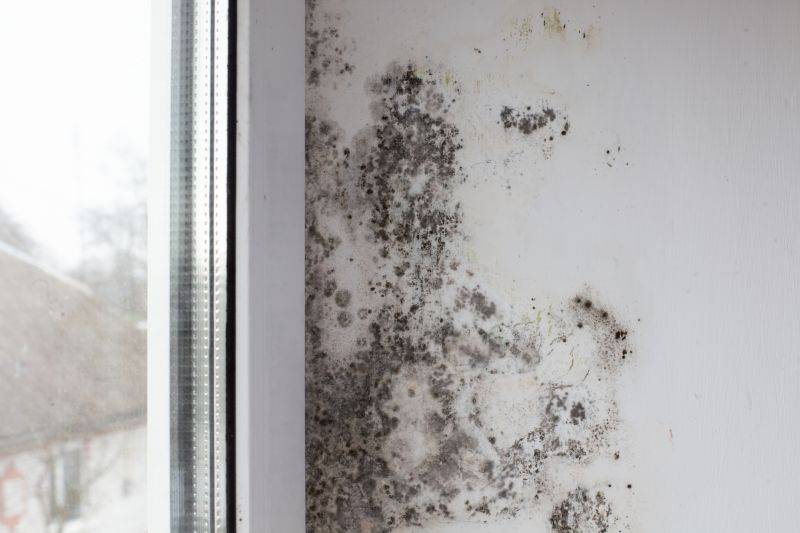
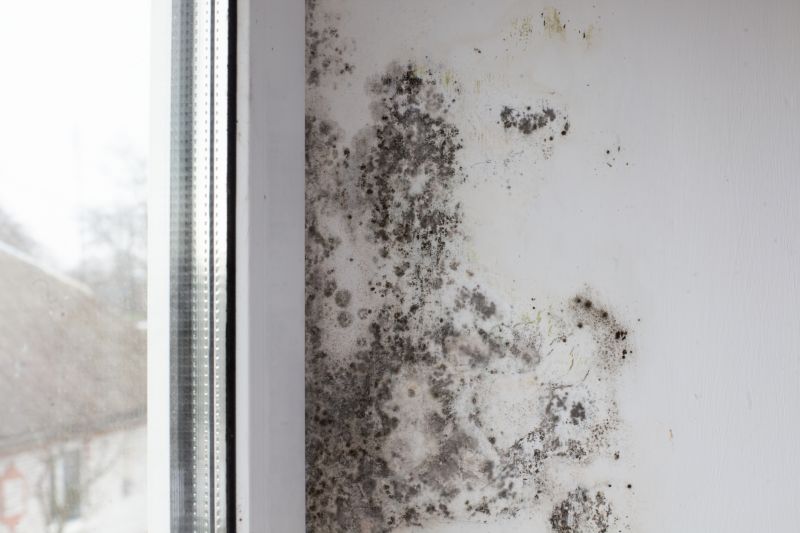
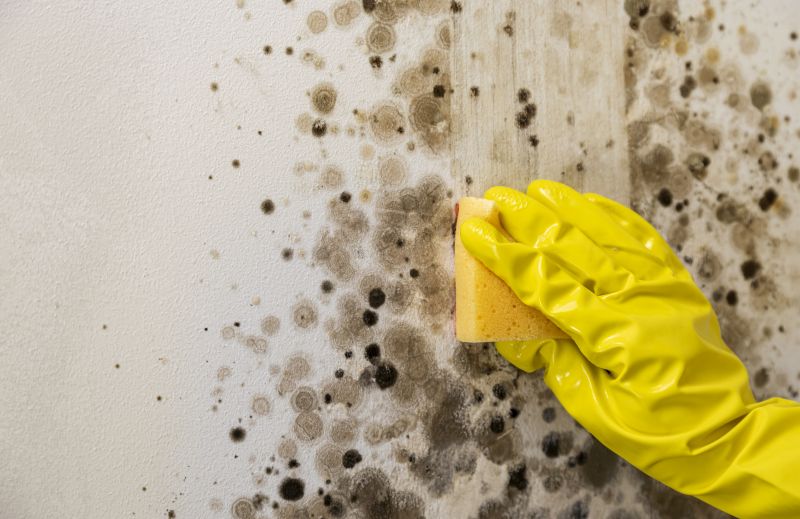
What types of mold issues are common in homes? Mold can develop from excess moisture in areas like bathrooms, basements, and around leaks, often appearing as spots or discoloration on surfaces.
How can mold affect property health? Mold growth can cause allergies, respiratory issues, and other health concerns, especially for sensitive individuals.
What surfaces are typically affected by mold? Mold commonly grows on walls, ceilings, wood, drywall, and fabric materials where moisture is present.
What is the purpose of mold restoration services? Mold restoration aims to remove existing mold, repair water damage, and prevent future growth to protect property and health.
Request Mold Restoration in Essex County, NJ
Use the quote form on this page to share the basics of your project and request more information for the type of work you need.