
Mold Detection in Fort Worth, TX
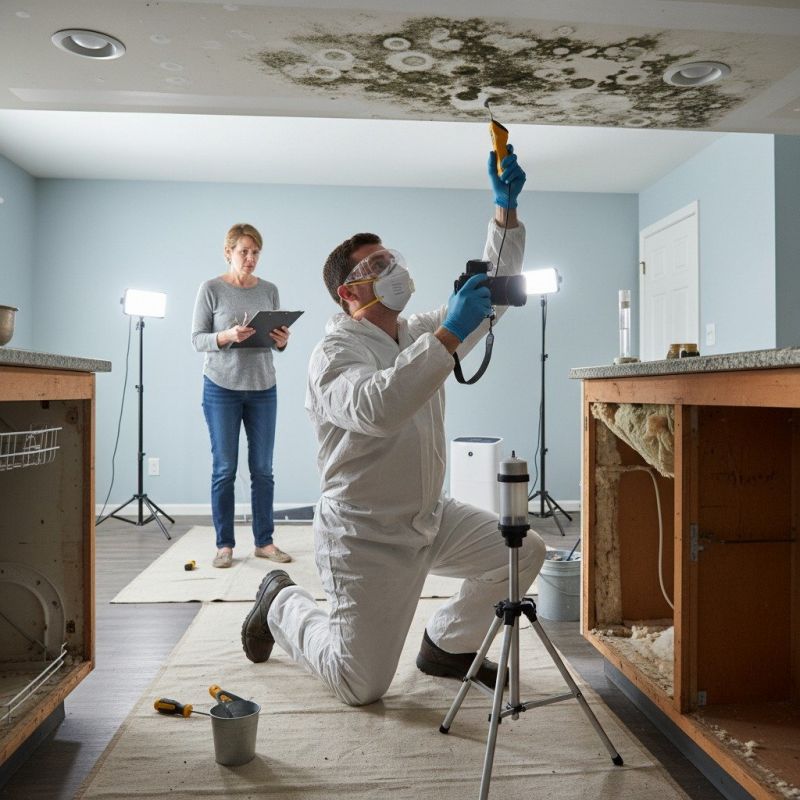
Mold detection services involve identifying the presence of mold growth within a property, which can often be hidden behind walls, ceilings, or under flooring. These inspections are commonly requested during situations such as water damage, persistent musty odors, allergy symptoms, or visible signs of mold growth. Property owners typically want to understand if mold is present, the extent of any contamination, and whether it poses health concerns or requires remediation. The process may include thorough visual assessments, moisture measurements, and air quality testing to determine the presence and concentration of mold spores.
Before requesting mold detection, homeowners often seek clarity on what areas are affected and how widespread the issue might be. Understanding the scope of the inspection helps in planning necessary steps to address potential mold problems. Property owners may also inquire about the types of mold that could be present and the potential health risks associated with exposure. Accurate detection can guide decisions on whether professional removal is needed and ensure that any underlying moisture issues are identified to prevent future growth.
Many property owners in Fort Worth, TX look into Mold Detection for repairs, replacements, upgrades, and appearance-related improvements.
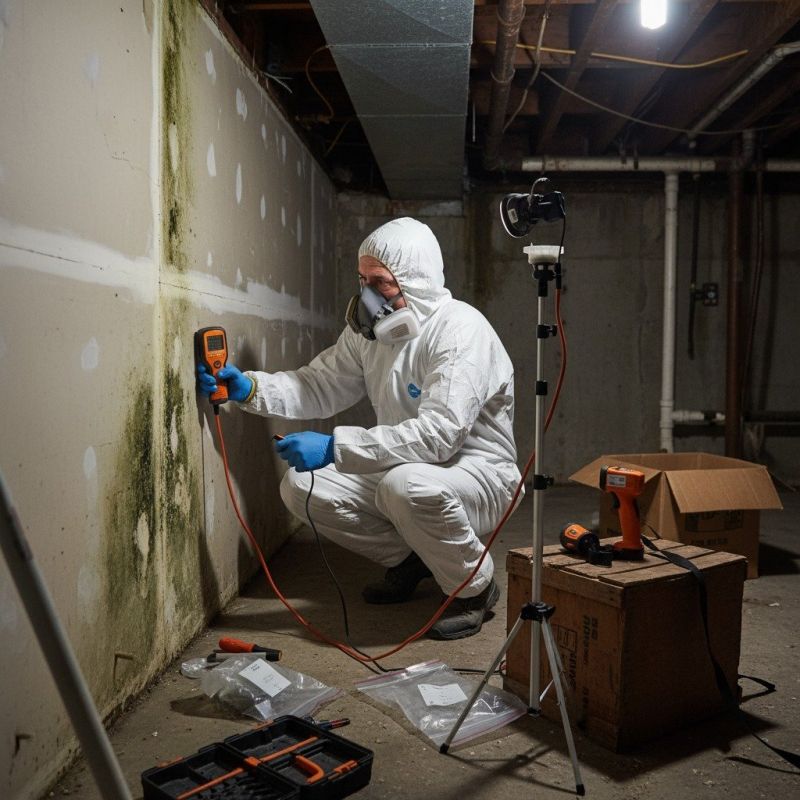
Identifying Hidden Mold
Detects mold growth that may not be visible to the naked eye in residential and commercial properties.
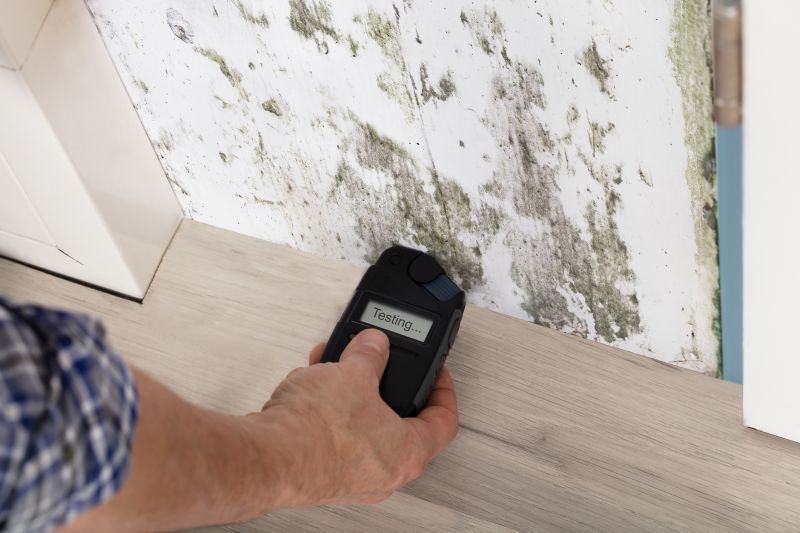
Health And Safety Assurance
Helps ensure indoor air quality is safe by locating mold sources that could impact health.
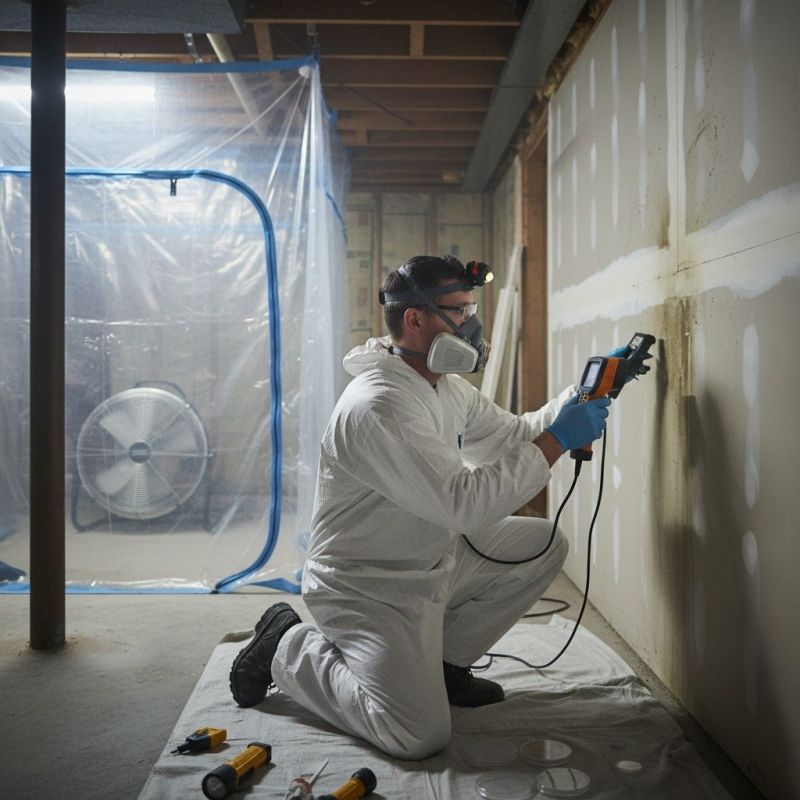
Property Damage Prevention
Assists homeowners in fort worth, tx, and nearby areas in preventing structural damage caused by mold growth.
Mold Detection in Fort Worth, TX

Mold detection services involve identifying the presence of mold growth within a property, which can often be hidden behind walls, ceilings, or under flooring. These inspections are commonly requested during situations such as water damage, persistent musty odors, allergy symptoms, or visible signs of mold growth. Property owners typically want to understand if mold is present, the extent of any contamination, and whether it poses health concerns or requires remediation. The process may include thorough visual assessments, moisture measurements, and air quality testing to determine the presence and concentration of mold spores.
Before requesting mold detection, homeowners often seek clarity on what areas are affected and how widespread the issue might be. Understanding the scope of the inspection helps in planning necessary steps to address potential mold problems. Property owners may also inquire about the types of mold that could be present and the potential health risks associated with exposure. Accurate detection can guide decisions on whether professional removal is needed and ensure that any underlying moisture issues are identified to prevent future growth.
Many property owners in Fort Worth, TX look into Mold Detection for repairs, replacements, upgrades, and appearance-related improvements.
Common Mold Detection Jobs
Mold Inspection - identifies areas of mold growth and moisture issues within the property.
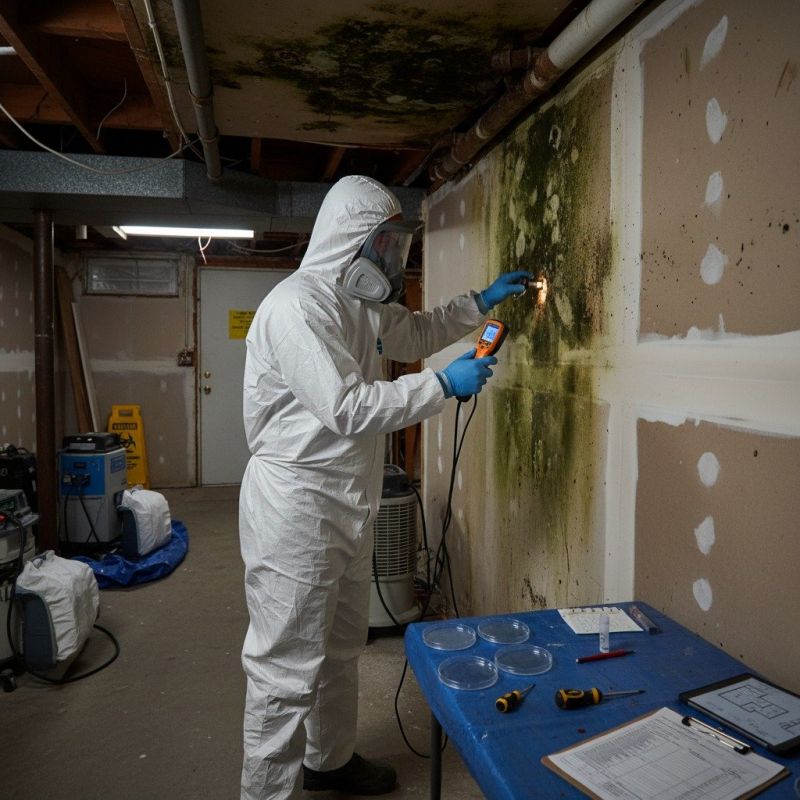
Surface Testing - detects mold spores on walls, ceilings, and other surfaces for quick assessment.
Air Quality Testing - measures airborne mold spores to evaluate indoor air safety.
Hidden Mold Detection - locates mold growth behind walls, under flooring, and in concealed spaces.
Moisture Assessment - identifies excess moisture sources that can lead to mold development.
Post-Remediation Testing - confirms mold removal effectiveness after cleanup efforts.
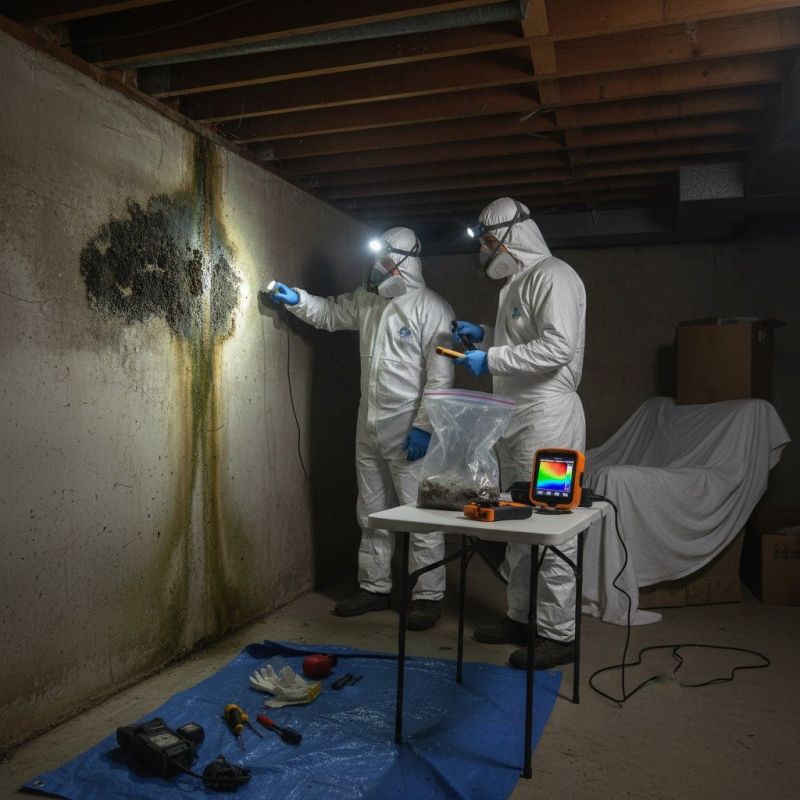
Mold Detection Questions
What are the signs of mold presence? Visible mold growth, a musty odor, or water damage are common indicators of mold issues in a property.
Why is mold detection important? Identifying mold early helps prevent health problems and property damage caused by hidden mold growth.
How do professionals detect mold? Experts use specialized tools and inspection techniques to locate mold in areas that may not be visible.
What areas are typically tested for mold? Common testing areas include basements, bathrooms, attics, and places with past water leaks or high humidity.
Request Mold Detection in Fort Worth, TX
Use the quote form on this page to share the basics of your project and request more information for the type of work you need.